Philosophy
Old ways of thinking that survived a few thousand years, read for today.
Philosophy
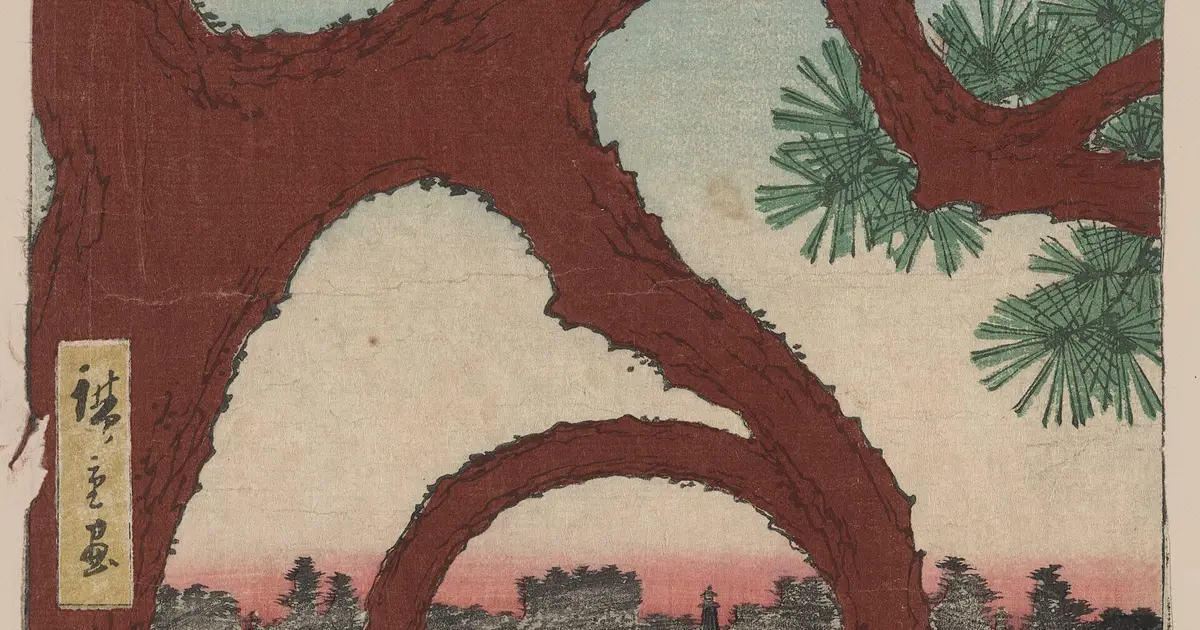
Memento mori: thinking about death to see life clearly, from the Roman triumph to counting the visits home you have left
According to one ancient source, the Romans had someone stand behind a triumphant general to remind him he was mortal. It was not cruelty but a tool. This piece follows how different cultures use it, and a small sum that sends many readers to phone home that same evening.
14/09/2026 · 3 min read
Philosophy
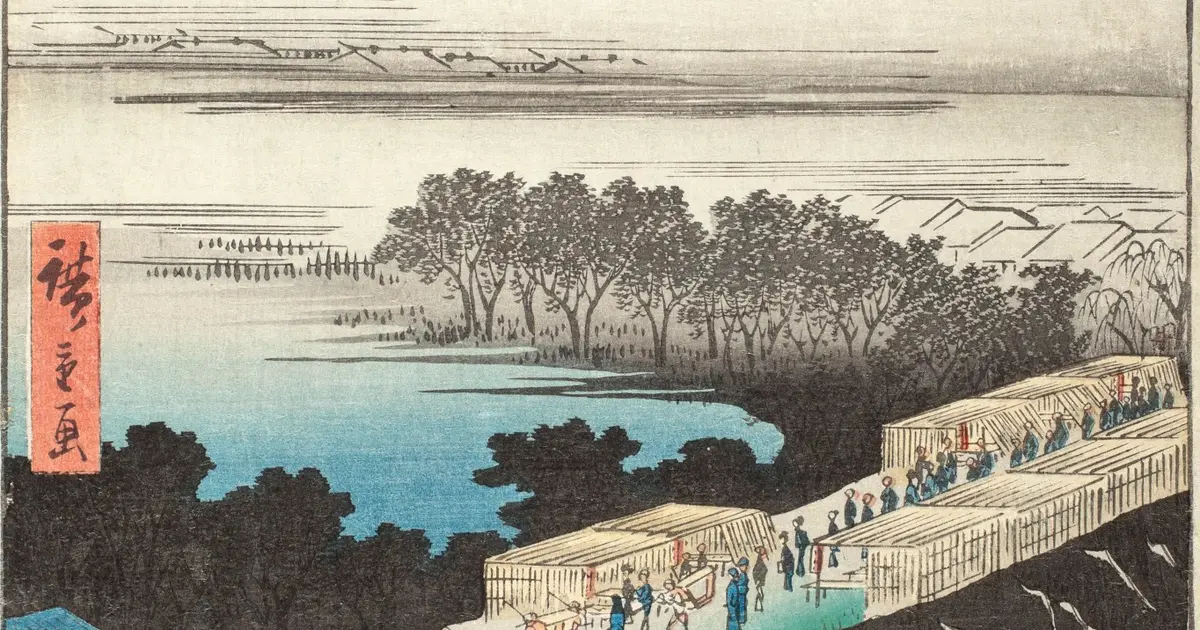
Ikigai is not a four-circle diagram: where the idea really comes from, and why the original is smaller and easier to reach
The four-circle Venn diagram you see everywhere was paired with the word ikigai in a blog post in 2014. Ikigai as Japanese people use it, and as a study of over forty thousand people measured it, is smaller, more ordinary, and more important than that.
07/09/2026 · 3 min read
Philosophy
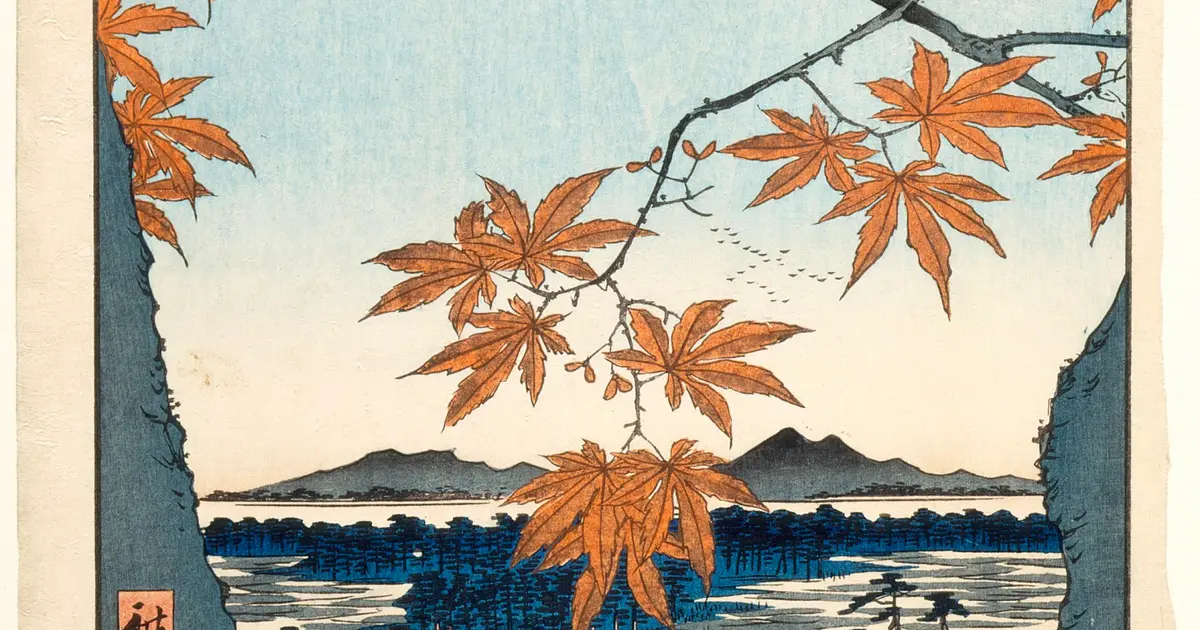
Wabi-sabi: the beauty of imperfect things, Sen no Rikyu's two-mat tea room, and living with the cracks
Toyotomi Hideyoshi, the man who unified Japan, had a tea room covered in gold. His tea master preferred a room of two mats and rough, uneven bowls. The story of those two is the easiest way to understand wabi-sabi, and why it is not a consolation prize for losers.
07/09/2026 · 4 min read
Philosophy
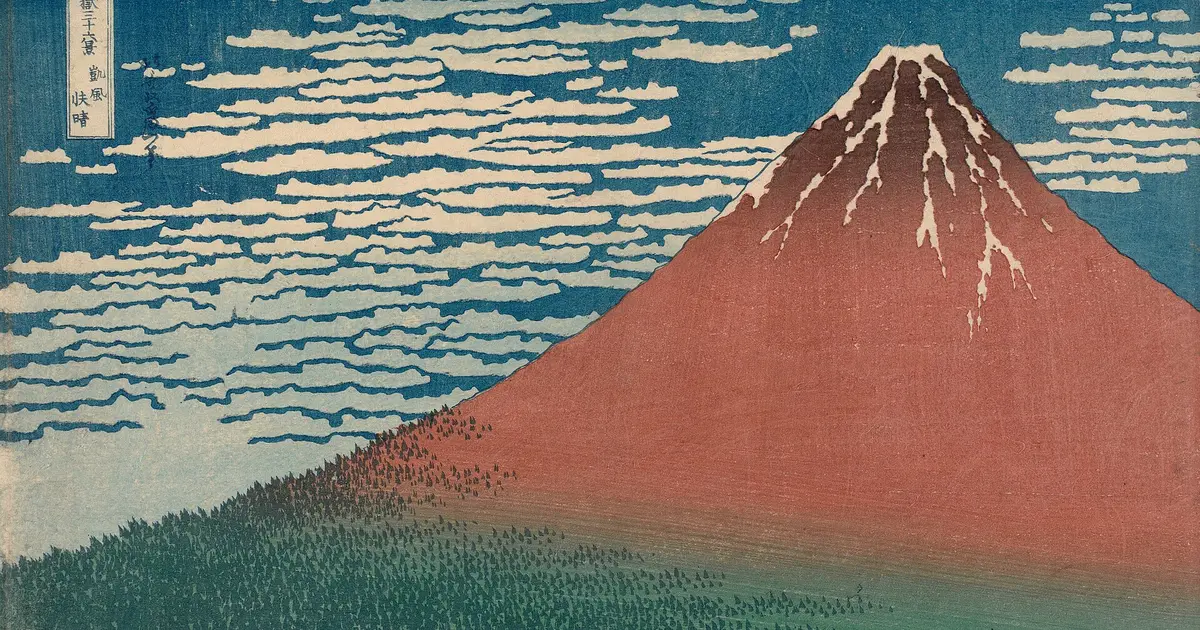
The three questions a Stoic asks before the day starts: what Marcus Aurelius told himself each morning, and how to use it before work
Marcus Aurelius was the most powerful man in the Roman world, and he began each day by reminding himself he would meet difficult people. It sounds bleak, but it works the other way. This piece draws three questions from Stoicism, and shows why modern therapy borrowed them.
24/08/2026 · 4 min read