Using personality tests decently: dos and don'ts from someone who works in HR
Published 24/07/2026 · 3 min read
The company that publishes the MBTI itself advises against using it to hire people, yet it still turns up in interviews. This piece tells the story of the mother and daughter who wrote it, and draws the line between using tests to understand each other and using them to screen people out.
The author of this piece works in training and people development, so let us start with the part most easily misused.
In a team workshop, after everyone had done the DISC test, one manager joked: "So from now on, never put two Ds on the same project, they'll kill each other." The room laughed. Three months later the joke had become an unwritten rule for assigning work. Nobody decided it. It just drifted that way.
Do not use them to select or screen people
Type-based tests are not very stable on retest: redo them after a few weeks or months and a sizeable share of people get a different result. Using a tool like that to decide who gets a job is unfair to candidates and risky for the organisation.
Notably, The Myers-Briggs Company, which publishes the MBTI, states in its own ethical guidelines that the instrument should not be used for hiring or screening candidates. When the makers of a tool say it is not for that, the warning is worth hearing.
Do use them to open a conversation
- In teams: use results to talk about how each person likes to be given work and feedback, not to predict who gets on with whom.
- For yourself: use the weaknesses as a checklist, not as an excuse along the lines of "I'm an introvert so I can't present".
- When coaching: ask "which part of this description fits you best?" rather than announcing the result like a verdict.
Back to the two Ds. Used properly, that DISC session should have led to a different question: if two people both like to decide fast, should they agree up front who decides what? That is a useful conversation. "Keep them apart" is just a label turned into a fence.
The world's best-known personality test was written by two people with no psychology training
Katharine Cook Briggs began reading Carl Jung in the 1920s and was captivated by his typology. Her daughter, Isabel Briggs Myers, was a novelist; in 1929 her first detective novel won a writing contest. Neither had formal training in psychology.
During the Second World War Isabel set out to write a questionnaire with a very specific and very kind aim: to help women entering factory work for the first time find roles that suited them, so the work would be easier and they would do it better. She taught herself most of what she knew about building and scoring questionnaires. The indicator was released commercially in 1975, five years before she died.
Two things need saying, and both matter. The authors' lack of credentials does not automatically make the tool worthless; plenty of useful things were made outside universities. But it does explain why the model holds on to either-or types while psychology moved to continuous scales, and why its stability on retest remains the heaviest criticism it faces.
The finest detail in the story is the original motive: helping people find where they fit. That is still the best use of any personality test. The worst use, shutting people out of an opportunity, runs against the very reason it was made.
One sign of a test worth trusting
A good test tells you when your result sits close to the line. If your answers are nearly balanced on an axis, the four-letter label does not describe you accurately, and an honest tool says so rather than giving you an impressive-sounding name. The sixteen-types test on Thấu Mình flags every axis between 42 and 58 for exactly this reason.
MBTI® is a registered trademark of The Myers & Briggs Foundation. The test on Thấu Mình is not the official instrument; it is built on Carl Jung's four dichotomies with questions written here.
Personality
What is the rarest personality type? The story behind “INFJs are only 1%”
Every few weeks a post goes round saying INFJ is the rarest type in the world. The figure is real, but it comes from a survey of Americans in the late 1990s, and it says much less about you than you might think.
19/09/2026 · 5 min read
Personality
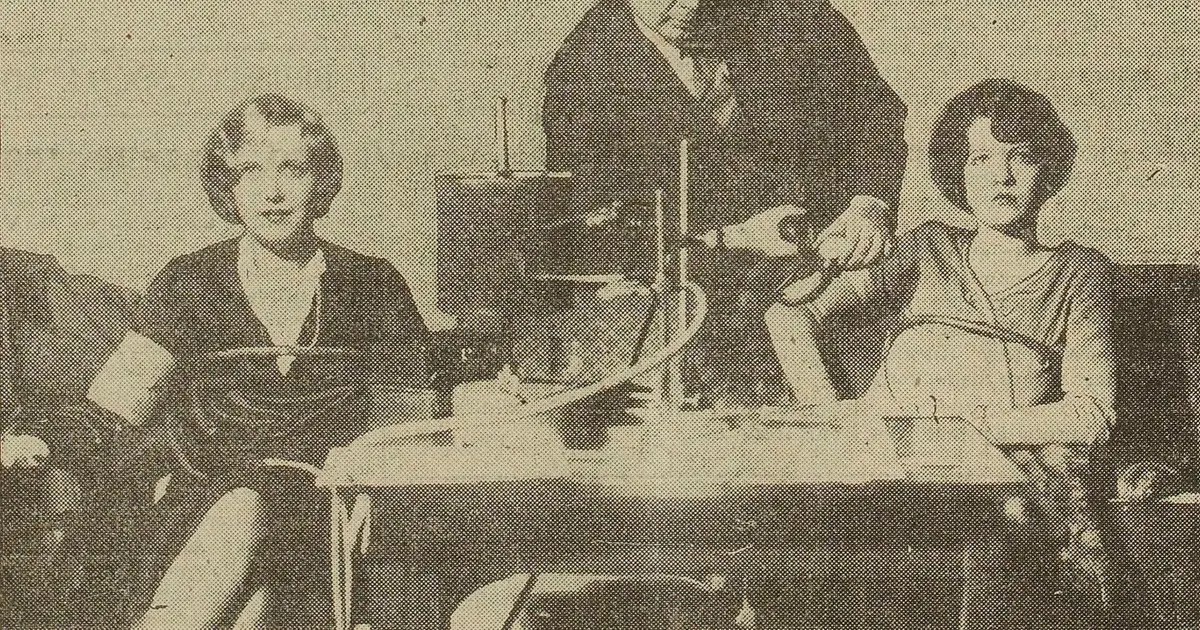
What is DISC? The man who built both the lie detector and Wonder Woman
The four letters every HR department uses have a father almost nobody can name. He lost a landmark court case, wrote a book about emotion in 1928, and later invented a heroine whose golden lasso makes people tell the truth.
18/09/2026 · 7 min read