The Barnum effect: which sentences in a result are really about you, which fit anyone, and a ten-second test to tell them apart
Published 08/08/2026 · 3 min read
A ten-second test separates a real description from a flattering generality. This piece shows how to do it, applies it to a sample reading, and explains why the effect is named after a nineteenth-century showman.

Georges de La Tour's The Fortune Teller, painted around the 1630s and now in the Metropolitan Museum in New York, has five figures. An old woman reads the fortune of a finely dressed young man, who watches her intently. Meanwhile, of the three young women around him, one quietly picks his pocket and another uses scissors to cut the medal from the chain on his chest.
The painting is right about one thing, and nearly four hundred years later it still is: what stops people noticing what is happening to them is the feeling of being talked about.
Why it is named after Barnum
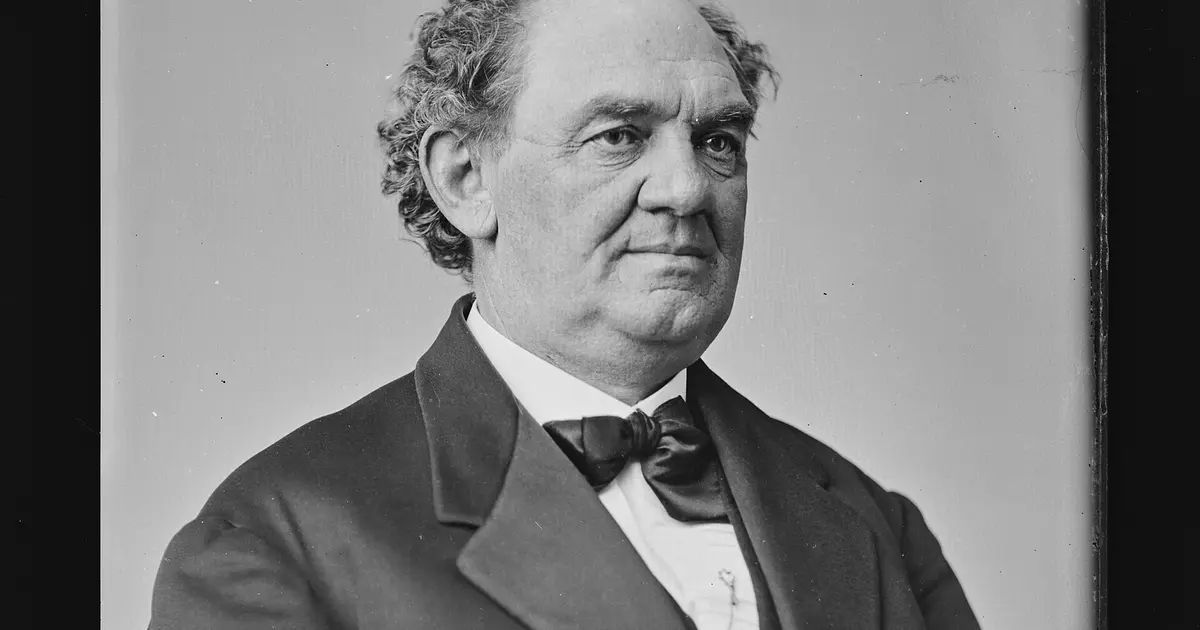
Phineas T. Barnum was the most famous American showman of the nineteenth century, builder of circuses and museums of curiosities that drew millions. He is said to have liked claiming his shows had a little something for everybody.
In 1956 the psychologist Paul Meehl borrowed his name for an effect: personality descriptions written broadly enough that anyone reading them feels described. Meehl used it to criticise his own field, since many clinical reports of the day were also full of sentences true of anyone.
The ten-second test
Read one sentence of your result, then ask: is this false of anyone? If you cannot think of a kind of person for whom it would be false, the sentence has not told you anything about yourself.
"You value sincerity in your relationships" is false of nobody. Who admits to despising sincerity? "You tend to say the uncomfortable thing sooner than others, and sometimes regret saying it so soon" could be false, since plenty of people do the opposite and stay quiet too long. The second sentence is the one worth reading on.
Three kinds of sentence in a reading
- The universal nod: a need every human has, like wanting to be understood or loved. Skip it.
- The two-sided sentence: you are this and also that, such as "sometimes outgoing, sometimes in need of solitude". It cannot be wrong, so skip it.
- The sentence that could be wrong: a specific behaviour in a specific situation. Read this one carefully.
Trying it on a sample reading
Here is the sort of paragraph you often find online: "You are an emotional person who knows how to stay rational when it counts. You have many dreams but sometimes lack the confidence to pursue them. In group work, you are often the first to notice when someone is struggling, and you quietly take on part of their load."
The first sentence is two-sided. The second is a universal nod. Only the third could be wrong: many people do not notice who is struggling, and many notice but do not pick up the slack. If the third is true of you, it is the only part of the paragraph actually describing you, and it is worth pursuing: how often do you carry other people's work, and does anyone know?
A good reading has many sentences of the third kind. A poor one is almost entirely the first two, and it still feels very accurate, because those two kinds are never wrong.
Test it the other way
A firmer check: read the description of a different result from the same test, such as a type you are not, or a life path number that is not yours. If you see yourself there too, the test has not told you apart from anyone else, however true it is about you.
Many people try this and feel a little deflated. But deflation in the right place beats misplaced trust, and the sentences that survive the test are usually the ones most worth thinking about. Thấu Mình has a page for every life path number, every star sign and every Vietnamese zodiac animal, so you can run this test straight away.

Guides
When to close this page: signs you are seeking reassurance rather than an answer, and what to do instead of drawing another card
There is a line between reflecting and seeking reassurance, and it is not about how much you believe but how often you come back. This piece covers four signs, the mechanism that keeps the loop going, and what to do instead.
13/08/2026 · 3 min read
Guides
Reading numerology, tarot or test results usefully, instead of letting them label you
In 1948, 39 students rated a personality description 4.26 out of 5 for accuracy, not knowing the whole class had been given the same one. This piece tells that story and offers three questions that make any result on this site useful.
29/06/2026 · 3 min read