The sixty-year cycle: how to name any year by stem and branch, and why sixty was treated as a full life
Published 07/09/2026 · 4 min read
Ten heavenly stems paired with twelve earthly branches give exactly sixty combinations. This piece shows how to work out any year's name in ten seconds, why older Vietnamese remember history by names like Ất Dậu and Mậu Thân, and why sixty is a lap rather than a stretch.
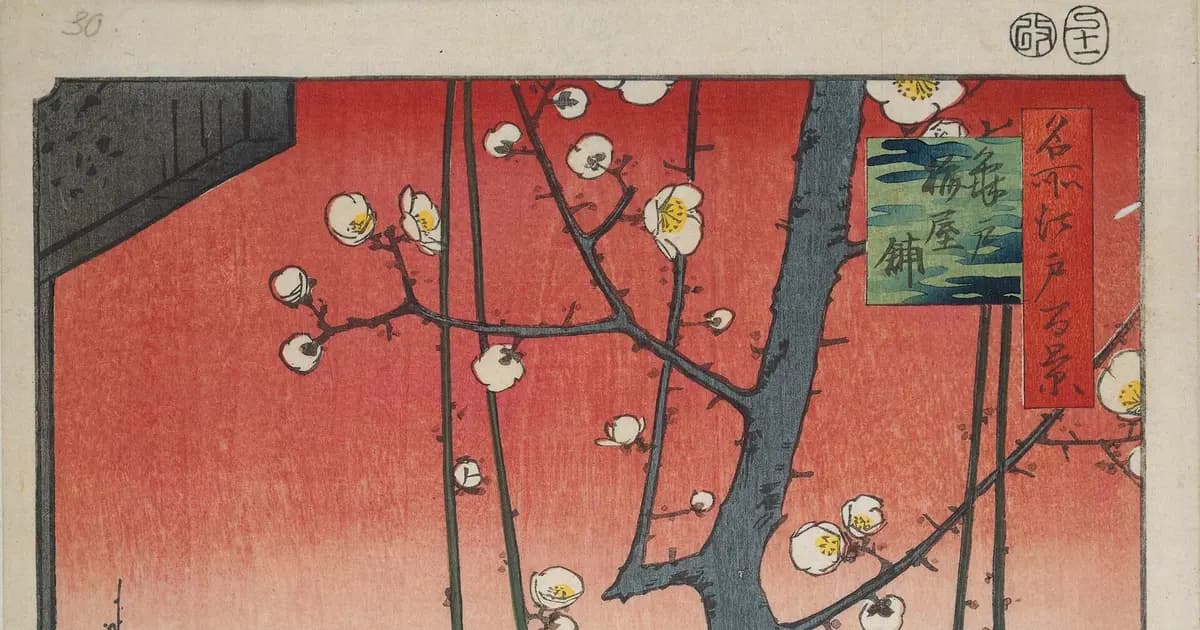
Older Vietnamese have a way of remembering history that younger people rarely use: by the name of the year. The Ất Dậu famine. The Mậu Thân Tết. The Cần Vương edict of the Ất Dậu year. China's Tân Hợi revolution. Say "1945" and everyone understands; say "the year Ất Dậu" and, for a generation, the name carries the memory with it.
Notice that the Cần Vương edict (1885) and the famine (1945) share the name Ất Dậu, exactly sixty years apart. That is no coincidence. It is how the count works.
Why sixty and not a hundred and twenty
A year's full name has two parts. First comes the heavenly stem, of which there are ten: Giáp, Ất, Bính, Đinh, Mậu, Kỷ, Canh, Tân, Nhâm, Quý. Then the earthly branch, the animal, of which there are twelve.
Ten stems and twelve branches sound as if they should make 120 pairs. But they do not combine freely: both advance one step each year, so the first stem goes with the first branch, the second with the second, and so on. An odd-placed stem never meets an even-placed branch. Only 60 combinations ever occur, the lowest common multiple of 10 and 12. There is never a Giáp Sửu year or an Ất Tý year.
Naming any year in ten seconds
The stem depends only on the last digit of the Gregorian year:
- Ending in 4: Giáp. In 5: Ất. In 6: Bính. In 7: Đinh. In 8: Mậu.
- Ending in 9: Kỷ. In 0: Canh. In 1: Tân. In 2: Nhâm. In 3: Quý.
For the branch, divide the year by 12 and look at the remainder: 0 is Monkey, 1 Rooster, 2 Dog, 3 Pig, 4 Rat, 5 Ox, 6 Tiger, 7 Cat (the Vietnamese zodiac has a cat where the Chinese has a rabbit), 8 Dragon, 9 Snake, 10 Horse, 11 Goat.
Try 1968: it ends in 8, so Mậu; it divides exactly by 12, so Monkey. Mậu Thân. Try 2026: ending 6 is Bính, remainder 10 is Horse. Bính Ngọ. The one caveat: the lunar year starts at Tết, so someone born in January or early February may belong to the year before.
Two years, one element
The sixty combinations are also grouped into thirty pairs, each pair two consecutive years sharing a nạp âm, a single element with a poetic name. Giáp Tý and Ất Sửu are both Gold in the Sea. Canh Ngọ and Tân Mùi are both Roadside Earth. Bính Ngọ and Đinh Mùi are both Heavenly River Water, which is to say rain.
That is why two Horses born twelve years apart carry different elements. Someone born in 1990 is Canh Ngọ, Earth. Someone born in 2002 is Nhâm Ngọ, Wood. Someone born in 1978 is Mậu Ngọ, Fire. One horse, three natures.
Why sixty is one lap
Sixty years is how long a combination takes to come round. Someone born in the Giáp Thìn year of 1964 met Giáp Thìn again in 2024, at sixty. Not any Dragon year; that one.
The whole region marks it. In Japan the sixtieth celebration is kanreki, "return of the calendar", and the person traditionally wears a red jacket, the colour of a newborn, because they have started the second lap. In Korea it is hwangap, once one of the largest parties of a lifetime. In many old villages of northern Vietnam, sixty was the age a man "entered the elders" and took a seat on the upper mat at the communal house.
The red jacket says a lot about the thinking. This is not a count along a line but around a circle. Sixty years is not a long road; it is one lap, and a lap can be run again from the start.
What it changes when reading a sign
A great deal. Most traditional Vietnamese astrology reads the stem-branch pair and its element, not the animal alone. When someone says "Dragons go well with Rats", they are using a fraction of the information. Not wrong, but coarse, like describing a person by their birth month.
That is why the year-by-year readings on Thấu Mình, such as Giáp Tuất 1994 or Canh Ngọ 1990, always give both stem and branch. The site's zodiac tool also works out the stem, branch and element from your birth date, including when you were born close to Tết.
Vietnamese zodiac
Trines, clashes and pairs: where the zodiac compatibility table comes from, and where it should stop
The two sets of rules people check most before a wedding. They are drawn from a circle of twelve points, nearly two thousand years old, and they contradict themselves in two places almost nobody notices.
16/10/2026 · 5 min read
Vietnamese zodiac
A whole-life reading for Canh Ngọ 1990, men: the chart of someone who carries the load
Roadside earth, the Horse, yang male — and 2026 is his own year. This piece reads each part of the chart, says where it is accurate, and says where it runs out.
21/09/2026 · 6 min read
Vietnamese zodiac
Canh Ngọ 1990, men: love, work, the household, and everyone else
Four areas read from a single image: the strip of earth beside a road. It holds the whole road up, everybody walks over it, and very little grows on it.
21/09/2026 · 6 min read